

 Back to Blogs
5 Ways To Reduce Your Heating Bill
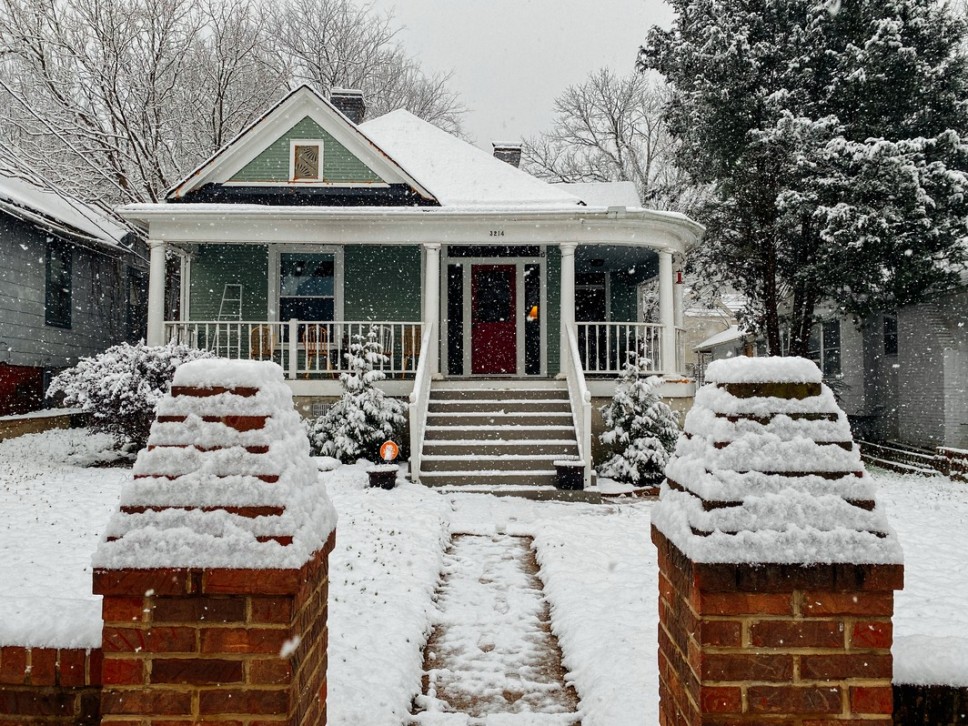
We’re deep into another winter, and colder temperatures call for cranking up the thermostat until spring’s inevitable thaw. But while the seasons may change, one thing never will: home heating is expensive.
Why Are Energy Bills Higher During the Winter?
Multiple factors can contribute to staggering heat expenses during the winter, including the condition of your home’s insulation and exterior products. When windows, doors and insulation are operating at a diminished capacity due to age or poor condition, much of the heat your HVAC system or furnace produces may actually be escaping from your home. With so much heat leakage, you’re likely to raise your thermostat until you feel a difference in temperature, pushing your heating system to work harder to compensate.
But the state of your home’s exterior products may not be the only reason your heating bill increases each winter. Do you tend to “set and forget” your thermostat? Are you adjusting your clothing in the winter, as well as your home’s heating? Your own habits as a homeowner may need some rethinking, too.
So, how can Massachusetts homeowners stay cozy on a budget? We’ve rounded up five tips to help lower your utility bill during the winter months without sacrificing warmth and personal preference. Read on!
1. Lower Your Thermostat When You Sleep
Lowering your thermostat may sound like the most obvious solution, but not all homeowners are interested in bundling up to stay warm while indoors. That’s why we recommend lowering your thermostat when you sleep—a time when cozy bedding can provide more than enough warmth to replace your heating system’s reduced output. Try lowering your thermostat to the mid to low 60s while you sleep; if you’re comfortable at this temperature, it might be worth exploring a lower setting during other quieter times for your home, like during the workday.
2. Close Unused Rooms and Vents
Avoid heating unoccupied rooms, instead focusing your heating system’s output on common spaces like your living room and kitchen. When you close a vent in a frequently-empty room, that heat is redirected to open vents elsewhere. We also suggest closing doors to unused rooms to prevent excess heat from traveling into them. It’s worth noting that you do not want unoccupied rooms to freeze (especially if water pipes are built into their walls), so some heat should be allowed to enter.
3. Make Sure Your Attic Is Well-Insulated
Air leaks are often hidden in spaces rarely frequented by people, like the attic or basement. A drafty attic can lead to significant heat loss from the upper levels of your home, again prompting you to raise the thermostat. Check your attic for any air leakage and ensure proper insulation.
4. Utilize Natural Light and Heat
While it may be colder outside, the sun is no less bright in the winter months than it is during the summer. Take advantage of winter daylight hours by opening your curtains, shades or blinds and allowing the sunlight to warm your home.This natural heat source is especially useful if you opt to lower your thermostat during the work day. When night falls, close your window treatments to trap the heat delivered by the sun during the day.
5. Perform Routine Maintenance on Your Doors and Windows
As windows and doors age, they may require more maintenance to prevent air leakages, cracks and rot. Regularly checking your home’s exterior products allows you to keep better tabs on their health and performance. Unsure where to start? Check for leaks by placing your hand near different points around your windows or entry and patio doors. If you feel cool air, it’s likely that you need to reseal your window or update the weatherstripping on your door. While this is something you can do on your own, a professional can also determine whether or not there is further damage that needs attention.
Explore Energy-Efficient Products from Window World of Western Massachusetts
Increase your monthly utility savings with energy-efficient products from your local Window World experts! Our triple-pane windows, vinyl siding, weather-resistant doors and protective roofing are designed for maximum thermal efficiency, keeping you (and your budget) comfortable year-round. Interested in learning more? Request a free quote today!