

 Back to Blogs
Why Are My Windows Wet? How do I Fix it?
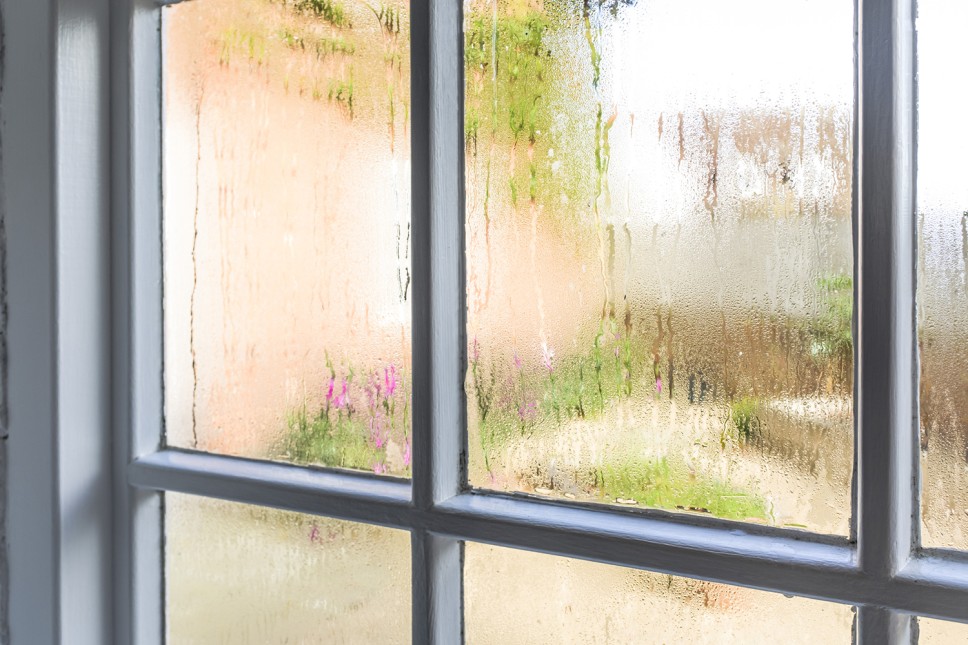
March is a weird month for your windows. They don’t know if the cold weather is coming or going. In their defense, trying to keep up with the forecast would be a headache, you know, if windows had a head.
One of the biggest problems homeowners face during transition months; when cold snaps and warm spells switch places like they're running a relay race are wet windows. If you've had the problem, then you know what we mean. Your windows get wet when excess condensation builds on them, which is both unsightly and potentially hazardous. As a homeowner, you might be wondering why this happens and how to fix it.
Reasons for Excess Condensation on Windows
At a high level, the reason for condensation on your windows is simple. The air inside your home is both warmer and moister than the air outside. Yet, this reason does little to get to the bottom of why it’s happening to your windows.
Too-High Humidity 
No amount of insulation can save your window from moisture if your home is a glorified terrarium. Have you ever been to a conservatory greenhouse? You might have noticed the high humidity and how beads of moisture cling to every available surface. When your home is too humid, the same laws apply. In the winter, you may be making your home too humid by running your humidifier at too high a level. In the summer, you might not be reducing the increased humidity effectively.
Extremely Cold Outside
When it’s below zero outside and your home is nice and cozy, it stands to reason that the surface of your windows might struggle to keep the glass between you and that frigid air equitable. A little condensation on those severely cold days is normal.
How to Fix Wet Windows
Luckily, there are a few ways to fix wet windows. Many of which you can do yourself.
 Caulk Around Windows
Older windows will have gaps; that’s only natural. Homes settle over the years, and wooden framing contracts as the seasons change. In the winter, when everything is dry, the wood that perfectly fills the gaps in your window frame might contract to the point where it lets in cold air.
The solution to this problem is simple; buy some window caulk from your local hardware store. Apply caulk around your windows, sealing any gaps you find. If you suspect that the previous caulk job is failing, it’s easy to remove it and start over.
Reduce Humidity in Your Home
In the winter we need to run a humidifier to remain comfortable. Dry air in a home causes all kinds of issues; a scratchy throat, dry skin, and it can even damage our leather or wooden furniture. Just make sure you don't run the humidifier too high. Keep the level somewhere between 45-50, and consider buying a humidity meter (you can find small, stylish ones on Amazon) to keep track of the humidity level.

In the summer, run a dehumidifier or an air conditioner to reduce the natural humidity caused by the warmer weather. It might seem like a pain to constantly manage the environment inside your home, but it's an important part of homeownership!
Consider a Replacement
Depending on the age of your windows, they may simply not cut it anymore. Sometimes it’s better to simply opt for a total replacement. Modern windows are more energy-efficient than ever and will keep your home warmer in the winter and cooler in the summer, while also lowering your energy bill. We offer a variety of window replacements, and no matter your choice, it'll be a good one.
We hope you solve your wet window problem! If you think it’s time for a window overhaul, then call us for a free quote today.